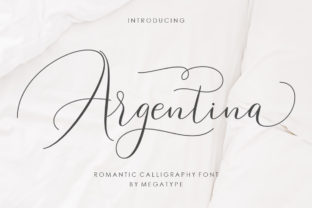
Argentina: A Romantic Script Font with Whimsical Grace
If you’ve ever paused mid-scroll because a logo, wedding invite, or Instagram story felt unexpectedly tender—soft but intentional, playful but polished—you’ve likely encountered the quiet magic of Argentina. It’s not just another script font. Argentina is a premium font built for moments that ask to be felt, not just read.
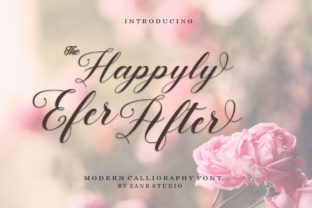
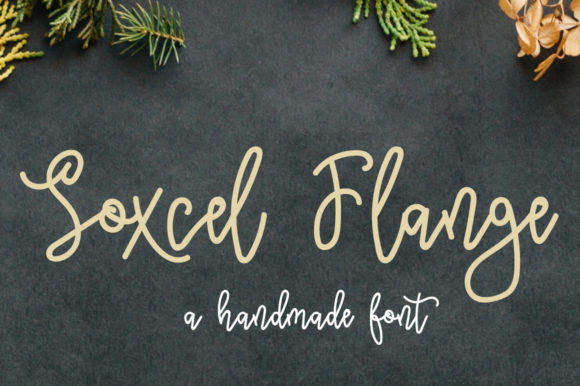
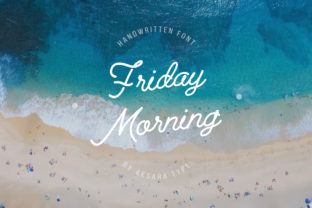
Visually, Argentina stands out through its gently shifting baseline—lines rise and fall like breath, never rigid, never mechanical. Its strokes flow with smooth, confident curves; no sharp angles, no abrupt stops. The letterforms carry subtle swelling and tapering, evoking fine calligraphy done with care and presence. It’s not overly ornate, nor is it minimalist—it lives in that rare middle ground where elegance feels approachable and whimsy feels grounded. Think handwritten love notes, not calligraphic flourishes for a royal decree.
Where Argentina Fits Naturally—and Where It Doesn’t
Argentina shines brightest as a display font: ideal for headlines, logos, packaging accents, book covers, and social media graphics. Its personality makes it especially effective in contexts where warmth, authenticity, or gentle sophistication matter—like artisanal coffee branding, boutique wedding stationery, indie magazine mastheads, or handmade skincare labels.
It works beautifully in editorial design when used sparingly: a bold title over a soft photo, a chapter opener in a memoir, or a pull quote in a lifestyle blog post. In packaging design, Argentina adds tactile charm to jars, tags, and boxes—especially when paired with uncoated paper or muted color palettes. For web design, it’s best reserved for hero sections or SVG-based text (not body copy), since its fluidity trades some screen readability for expressive impact.
What Argentina doesn’t do well? Long-form body text. It’s not a serif font or sans serif font built for paragraphs. And while it’s deeply expressive, it’s not inherently bold or assertive—so it’s rarely the right choice for tech startups, financial services, or high-contrast athletic branding. That’s not a limitation—it’s clarity. Knowing where it *doesn’t* belong helps you use it more intentionally where it *does*.
How Argentina Shapes Perception—Without Saying a Word
Typography is silent brand language. Argentina speaks in hushed tones of sincerity, craftsmanship, and gentle confidence. When used in a small business logo—say, a ceramicist’s shop name arched above a hand-thrown mug—it signals attention to detail and human touch. On a wedding invitation suite, it suggests intimacy and thoughtfulness, not formality for formality’s sake.
That varying baseline does more than look pretty: it introduces organic rhythm, which subtly slows how the eye moves across the text. That pause invites connection. Readers don’t scan—they linger. In digital spaces saturated with fast, uniform fonts, that small shift in pace can boost engagement and recall. It also strengthens brand recognition: once someone associates Argentina’s graceful sway with your visual voice, they’ll spot your work faster—even without your logo visible.
Consistency matters, too. Because Argentina has such a distinct voice, using it only where it carries weight—paired with a clean, neutral sans serif for supporting text—creates clear visual hierarchy. You’re not asking the font to do everything. You’re giving it space to mean something.
Practical Tips Before You Install It
First: check what’s included. Many versions of Argentina come as a single-weight script font, sometimes with alternate characters (like swash capitals or contextual ligatures). If your project needs flexibility—say, a logo that must scale from app icon to billboard—verify whether outlines are clean at small sizes and hold up in vector export. Test it at 16px on screen and 8pt in print. If letters start to blur or compete, scale back usage.
Font pairing is where many designers get stuck. Argentina pairs best with typefaces that offer contrast without conflict. Try it with a warm, humanist sans serif like Montserrat or Inter for digital projects—or a gentle serif like Cormorant Garamond for editorial work. Avoid other scripts or highly decorative fonts nearby; Argentina doesn’t need company to shine—it needs breathing room.
Readability isn’t about perfection—it’s about intent. Ask yourself: “Is this meant to be read quickly, or savored?” If the answer is the latter, Argentina fits. If it’s the former, reach for something else. Also, consider your audience’s expectations. A millennial audience browsing a sustainable fashion site may connect instantly with Argentina’s craft-driven tone. A B2B SaaS dashboard user likely won’t—and that’s okay.
Licensing, Realism, and Respect for Craft
Argentina is typically offered as a commercial font, meaning you’ll need an appropriate license for business use—whether that’s a one-time purchase, subscription access, or extended license for app or product embedding. Always verify the license terms before deploying it in client work or digital products. Reputable foundries include clear documentation on web font hosting, desktop use, and redistribution limits.
And here’s something worth remembering: choosing Argentina isn’t just about aesthetics—it’s a small act of supporting thoughtful type design. Every time you license a premium font like this, you’re backing the hours of kerning adjustments, spacing refinements, and stylistic nuance that make it feel alive on the page. That care shows up—not in obvious ways, but in how smoothly an ‘a’ connects to an ‘n’, how evenly the rhythm holds across a word like “forever”, or how gracefully it sits beside a photograph without competing.
So if you’re sketching a new brand identity, laying out a zine, designing a gift tag, or refreshing your blog’s header—pause and ask: does this moment deserve tenderness? Does it benefit from a whisper instead of a shout? If yes, Argentina isn’t just an option. It’s the quiet, confident choice.