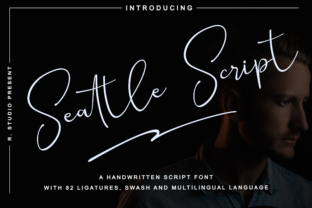
Seattle Script: The Handwritten Font That Brings Warmth, Personality, and Trust to Your Designs
If you've ever struggled to make a brand feel human—or watched a beautifully designed logo fall flat because it lacked soul—you're not alone. In today’s digital landscape, where attention is fragmented and authenticity is currency, many designers, small business owners, and marketers face the same quiet challenge: how to communicate warmth, sincerity, and individuality without sacrificing professionalism. That’s where Seattle Script steps in—not as just another font, but as a thoughtful design tool built for connection.
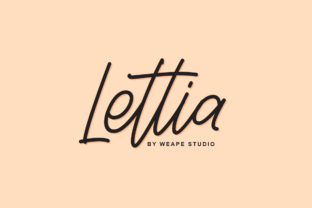
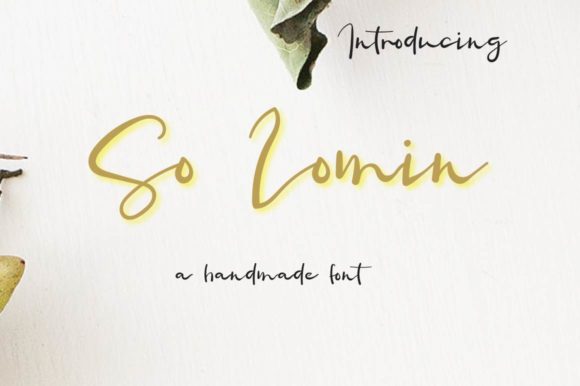
Seattle Script is a carefully crafted handwritten script font that balances natural flow with refined legibility. Unlike overly decorative or erratic scripts, it features consistent spacing, subtle variation in stroke weight, and organic, confident letterforms—each shaped to mimic the rhythm of skilled pen-on-paper writing. It doesn’t shout; it leans in. And that makes all the difference when your goal isn’t just to be seen, but to be remembered and trusted.
Why “Handwritten” Matters More Than Ever
Think about the last time you chose one brand over another—not because of price or features, but because it *felt* right. Chances are, that feeling came from cues like tone of voice, imagery, or visual texture—including typography. Research consistently shows that audiences perceive handwritten fonts as more approachable, empathetic, and personal. This isn’t about nostalgia—it’s about signaling intention. When you use Seattle Script, you’re telling your audience: We see you as a person, not a data point.
That resonance matters most in high-stakes, emotionally charged contexts—like wedding invitations, artisanal product packaging, or wellness brand messaging—where credibility is earned through perceived care and attention. But it also works powerfully in everyday applications: a local café’s Instagram story announcing weekend specials, a therapist’s website hero section, or a boutique’s limited-edition label. In each case, Seattle Script helps soften formality without undermining authority.
Real-World Applications—and What Works Best
What sets Seattle Script apart is its versatility grounded in intentionality. Here’s how different users put it to work—and why it delivers:
- Small business owners use it for logos and signage to reinforce their hands-on, community-centered identity—especially in food, beauty, home goods, and creative services. A bakery named “Hearth & Honey” gains instant charm with Seattle Script on its storefront sign and takeaway bags.
- Wedding designers and stationers rely on it for save-the-dates and ceremony programs because it evokes intimacy and timelessness—without looking dated or overly cursive. Its balanced x-height and open counters ensure readability at smaller sizes, even on delicate vellum or textured paper.
- Social media managers integrate it into quote graphics and promotional carousels where personality drives engagement. Paired with clean sans-serif body text (like Inter or Lato), Seattle Script creates visual hierarchy that guides the eye while preserving warmth.
- Product packaging teams apply it selectively—for brand names, flavor descriptors (“Wild Blueberry,” “Small-Batch Vanilla”), or origin stories—so the handwriting feels intentional, not chaotic. Because Seattle Script avoids excessive flourishes, it scales well across labels, boxes, and digital mockups.
Practical Tips for Getting the Most From Seattle Script
Like any expressive tool, Seattle Script shines brightest when used with purpose—not decoration. Here’s what experienced designers recommend:
- Limit usage to key focal points. Reserve it for headlines, names, short phrases, or callouts—not full paragraphs. Its strength lies in contrast, not volume.
- Pair it thoughtfully. Complement it with a neutral, highly legible sans-serif (e.g., Montserrat, Poppins) or a warm serif (e.g., Merriweather, Playfair Display). Avoid pairing it with other scripts or overly ornate fonts—clarity should remain the priority.
- Test at real-world sizes. While Seattle Script renders beautifully at 24pt+, it can lose nuance below 14pt in print or on mobile screens. Use it for display purposes first; switch to a supporting typeface for captions or fine print.
- Consider licensing and format needs. Ensure you select the appropriate license—web, desktop, or extended—for your use case. Most versions include OpenType features like ligatures and alternate characters, which add subtle polish when enabled in design software.
Different Users, Different Priorities—Same Goal
A freelance graphic designer working across client industries will prioritize Seattle Script’s adaptability: how easily it shifts from elegant (a luxury skincare line) to earthy (a sustainable apparel brand). Their focus is on speed, consistency, and client approval—so they lean on its predictable rhythm and clean vector outlines.
A solo entrepreneur launching a handmade ceramics studio has different concerns: Does this font reflect my values? Will it look authentic on my Etsy banner and Instagram bio? For them, Seattle Script succeeds because it feels handmade—but professionally so. It bridges the gap between craft and commerce without compromising either.
A marketing coordinator at a regional nonprofit might need to convey compassion and urgency—say, in a fundraising email campaign. There, Seattle Script adds emotional weight to a headline like “Your Support Changes Lives”—making the message feel personal, grounded, and urgent, not transactional.
More Than Aesthetic—It’s Strategic Clarity
In a world saturated with AI-generated visuals and templated layouts, choosing a font like Seattle Script is quietly strategic. It signals intention behind every pixel and print. It tells your audience you’ve considered not just what you’re saying—but how it’s received.
That intention translates into outcomes: higher engagement on social posts, stronger emotional recall for brand names, increased trust in service-based offerings, and improved perceived value for premium products. None of this happens by accident—and none of it relies on gimmicks. It’s simply the result of aligning your visual language with your human values.
So whether you're refining a brand identity, preparing a client presentation, or finalizing packaging for your first product launch—ask yourself: Does this feel like something a real person made, for real people? If the answer isn’t a clear yes, Seattle Script may be the thoughtful, practical, and surprisingly powerful detail that brings your design—and your message—fully to life.