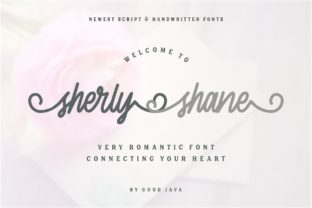
Whitecase: A Strategic Choice for Handwritten Elegance in Modern Design
Whitecase isn’t just another handwritten font—it’s a deliberate design decision. Light in weight, refined in structure, and unmistakably human in rhythm, Whitecase carries an elegance that feels both approachable and intentional. Its subtle contrast, gentle slant, and carefully balanced spacing make it more than decorative: it’s a functional tool for signaling tone, building connection, and reinforcing clarity—when used with purpose.
Why Whitecase Fits Real-World Strategy—Not Just Aesthetics
Design choices compound over time. A font like Whitecase doesn’t exist in isolation; it operates within systems—brand guidelines, digital interfaces, printed collateral, learning materials, customer touchpoints. Its lightness avoids visual fatigue in long-form contexts, while its handwritten character introduces warmth without sacrificing professionalism. That balance is rare—and strategically valuable.
For entrepreneurs launching a service-based business, Whitecase can soften the perceived distance between provider and client. For educators crafting workshop handouts or course syllabi, it signals care and intentionality—not informality. For publishers designing editorial features or literary excerpts, it adds texture without competing with content. The key isn’t whether Whitecase “looks nice,” but whether its qualities align with your communication goals and audience expectations.
When Whitecase Strengthens—And When It Doesn’t
Whitecase excels in contexts where authenticity, craft, and human voice matter most:
- Brand storytelling assets: Letterhead, welcome emails, founder notes, or “about us” pages where personality and trust are central.
- Educational or reflective content: Workbooks, journal prompts, guided reflections, or learning modules where tone supports engagement and retention.
- Curated digital experiences: Landing pages for creative services, portfolio sites, or subscription newsletters that prioritize mood and cohesion over speed or density.
- Printed artifacts with tactile intention: Invitations, limited-run zines, packaging inserts, or artisan product labels where materiality and message must harmonize.
It’s less effective—or even counterproductive—in high-stakes, information-dense, or accessibility-critical settings. Avoid using Whitecase for legal disclaimers, data tables, navigation menus, or mobile interface labels. Its light weight and variable stroke width reduce legibility at small sizes or on low-resolution screens. More importantly, its expressive nature can dilute authority when credibility hinges on precision and neutrality—think compliance documentation, technical documentation, or enterprise dashboards.
Using Whitecase Intentionally—Not Automatically
Intentional use starts before selecting the font. Ask yourself:
- What outcome do I want this piece to drive? Is it recognition? Trust? Reflection? Action? Whitecase supports emotional resonance—but not urgency or hierarchy.
- Who is interpreting this—and under what conditions? A freelancer reviewing a proposal on a laptop may respond differently than a parent scanning a school newsletter on a phone. Test readability across devices and lighting conditions.
- How does Whitecase relate to my other type choices? It works best paired with a highly legible, neutral sans-serif (like Inter, Lato, or Helvetica Neue) for body text or captions. Let Whitecase lead with voice; let your supporting type carry information.
- Is consistency part of the strategy—or variation? Using Whitecase only in one place (e.g., just headings) risks feeling arbitrary. Using it across all touchpoints without refinement risks visual monotony. Map where it appears—and why—across your ecosystem.
A small business owner launching a wellness coaching practice might use Whitecase for handwritten-style quotes in email footers and session reflection prompts—reinforcing presence and personal attention. But they’d pair it with a clean, open sans-serif for program descriptions, pricing tables, and intake forms. That contrast isn’t accidental; it’s choreographed to guide attention and signal role.
Practical Planning Tips for Long-Term Value
Whitecase gains strategic value when treated as part of a living system—not a one-time download. Consider these steps before integrating it broadly:
- Start narrow: Use it in one high-impact, low-risk context first—like a signature welcome email sequence or a branded PDF workbook. Measure response (open rates, time-on-page, qualitative feedback), then refine.
- Define usage boundaries: Document where Whitecase is permitted (e.g., “only in H2 headings for blog posts,” “exclusively in print collateral for premium offerings”) and where it’s prohibited (e.g., “never in mobile navigation,” “never below 18px on screen”). Share that guidance with collaborators.
- Test with real users—not just designers: Show two versions of the same page—one with Whitecase for a headline and subhead, one with a neutral alternative. Ask participants what tone they perceive, how credible the message feels, and what action (if any) they’d take next.
- Review annually: As your brand evolves, reassess whether Whitecase still reflects your positioning. Has your audience shifted? Have your goals moved from relationship-building to scale? Fonts don’t need to change—but your rationale for using them should remain current.
The Risk of Using Whitecase Without Clarity
Without grounding in goals, Whitecase can unintentionally communicate indecision—not warmth. A startup using it across every slide in a Series A pitch deck may appear unpolished rather than personable. A university department applying it to academic policy documents may undermine perceived rigor. Inconsistent application—using it in some emails but not others, or pairing it with clashing fonts—creates visual noise, not distinction.
The deeper risk isn’t aesthetic misstep—it’s missed opportunity. Every design choice occupies cognitive space. If Whitecase isn’t serving a defined function, it’s consuming attention without returning value. That’s especially costly when resources are constrained: time, budget, team bandwidth, audience patience.
How Whitecase Supports Learning, Creativity, and Customer Experience
In learning design, Whitecase’s rhythm mirrors natural handwriting—supporting memory encoding in note-taking templates or reflection exercises. Studies suggest that fonts evoking personal authorship can increase perceived effort and engagement, particularly in self-directed learning contexts. That doesn’t mean replacing system fonts in LMS interfaces—but thoughtfully deploying Whitecase in downloadable worksheets or guided journaling prompts.
Creatively, it invites iteration. Because it feels handmade, it lowers the psychological barrier to editing and personalizing. A marketer drafting a client campaign brief might sketch concepts in Whitecase before refining them digitally—leveraging its informality as a thinking tool, not just a presentation layer.
For customer experience, Whitecase subtly signals that a human was involved—not just automated logic. A SaaS company using it in personalized onboarding tips (e.g., “Here’s how we suggest you start…”) adds nuance that generic system fonts can’t replicate. It’s not about hiding technology—it’s about foregrounding empathy where it matters most.
Final Thought: Whitecase as a Decision Anchor
Choosing Whitecase shouldn’t be about trend-following or visual novelty. It’s about answering a practical question: Does this help me communicate more clearly, connect more meaningfully, or act more consistently with my goals?
That question applies whether you’re a solo creator designing your first logo, a marketing director updating brand guidelines, or an educator redesigning curriculum materials. Whitecase earns its place not through ubiquity—but through alignment. When its lightness reinforces openness, its elegance signals care, and its handwritten quality affirms humanity in systems that often feel impersonal, it becomes more than typography. It becomes infrastructure for intention.
Use it where warmth serves strategy—not where it merely decorates. Refine it where context demands clarity—not where it defaults to habit. And revisit that decision regularly—not because trends shift, but because your goals, audience, and outcomes do.