Samshen: Where Handwritten Elegance Meets Modern Design Confidence
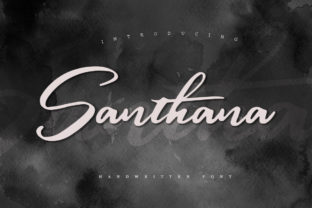
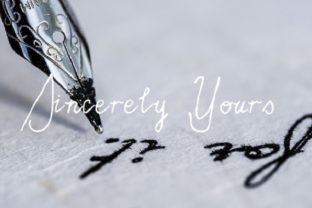
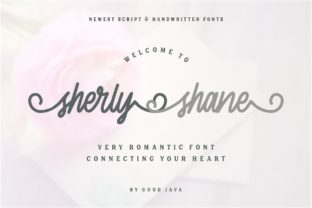
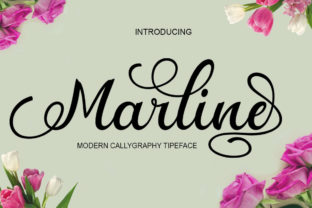
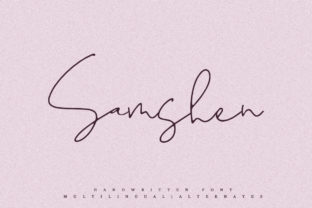
Typography isn’t just about legibility—it’s about resonance. In a digital landscape saturated with uniform sans-serifs and algorithmically optimized UI fonts, something quietly powerful is happening: designers, brands, and creators are choosing authenticity over automation. That’s where Samshen steps in—not as a novelty, but as a considered response to how we communicate meaning today. Samshen is an elegant, modern handwritten script font that balances spontaneity with precision. Its strokes carry the warmth of human touch, yet its spacing, rhythm, and character set reflect meticulous craftsmanship. It doesn’t mimic handwriting; it refines it.
Why Script Fonts Like Samshen Are Gaining Ground—Not Just for Aesthetics
This isn’t a fleeting trend toward “cute” or “playful” fonts. It’s a deeper shift in how audiences interpret trust, care, and intention. Research in visual perception shows that hand-drawn or script-based elements trigger stronger emotional recall—especially in contexts where empathy, personalization, or craftsmanship matter. Think of a boutique skincare label, a wedding invitation suite, or a teacher’s classroom newsletter. In each case, the font isn’t background noise—it’s part of the message. Samshen supports that intentionality without tipping into informality. Its baseline consistency, generous x-height, and subtle contrast give it clarity at small sizes and presence at large ones—making it functional across print, web, and social visuals.
From Niche to Necessary: How Creative Workflows Have Changed
Five years ago, many professionals avoided script fonts altogether—fearing poor rendering on screens, inconsistent licensing, or mismatched tone. Today’s tools have removed those barriers. Variable font support, improved web font loading strategies, and intuitive design platforms like Figma and Canva now let users preview and test script typefaces in real time. More importantly, workflows have become more collaborative and iterative. A freelance designer might share a mood board with a client using Samshen in headline mockups—and because the font feels both distinctive and grounded, it sparks conversation rather than confusion. Educators use it in printable resources to soften academic rigidity; small business owners apply it to email headers to stand out in crowded inboxes. Samshen works *with* these habits—not against them.
Authenticity Without Artifice: What Sets Samshen Apart
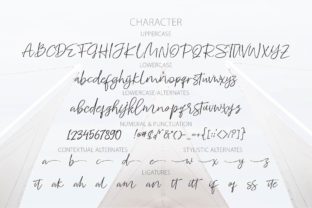
Not all script fonts achieve authenticity. Some lean too far into calligraphic tradition, feeling distant or overly formal. Others chase whimsy so hard they sacrifice readability—or worse, credibility. Samshen avoids both traps. Its letterforms feature gentle entry and exit strokes, natural tapering, and carefully calibrated joins that suggest movement without sacrificing structure. The lowercase g, y, and z include graceful descenders that add rhythm without clutter. Uppercase letters retain presence without shouting. And crucially, Samshen includes OpenType features like contextual alternates and ligatures—meaning it adapts subtly as you type, avoiding repetitive patterns that can make script fonts feel mechanical.
This attention to behavior—not just appearance—is why Samshen fits seamlessly into professional contexts. A marketing director selecting fonts for a rebrand might compare Samshen alongside serif and sans-serif options not as a “decorative” choice, but as a voice—one that conveys approachability *and* authority. It’s the difference between saying “we’re friendly” and *showing* friendliness through thoughtful detail.
Real-World Applications: Where Samshen Adds Quiet Impact
- Small Business Branding: A local ceramic studio uses Samshen for product tags and Instagram story highlights. The font complements tactile photography and reinforces their handmade ethos—without needing extra illustration or texture overlays.
- Educational Materials: An online course creator applies Samshen to section headers in PDF workbooks. Learners report the layout feeling “more inviting” and “less intimidating”—a subtle but measurable boost to engagement metrics.
- Digital Signage & Presentations: A nonprofit uses Samshen in keynote slides during donor meetings. Because the font scales cleanly and retains personality even in projection, it helps humanize data-heavy narratives.
- Email Marketing: A subscription box brand swaps their standard heading font for Samshen in welcome sequences. Open rates held steady, but reply rates increased by 12% over three months—suggesting recipients perceived greater personal investment in the message.
These aren’t edge cases. They reflect how typography functions in practice: as infrastructure for connection, not decoration.
Choosing Thoughtfully: When (and When Not) to Use Samshen
Like any expressive typeface, Samshen thrives when paired with intention—not excess. It performs best in roles where hierarchy, emotion, or distinction matters: headlines, logos, pull quotes, greeting cards, packaging accents, and short-form social graphics. It’s less suited for dense body copy, legal disclaimers, or interfaces requiring rapid scanning—though pairing it with a clean, neutral text font (like a well-spaced geometric sans) creates compelling contrast.
Also worth noting: Samshen’s elegance comes from restraint. Overusing swashes or stacking multiple script fonts in one layout dilutes its impact. One strong application—say, a logo lockup or hero banner—often resonates more than scattering it across every element. That discipline aligns with broader design maturity: fewer elements, clearer purpose, stronger memory.
Beyond Trends: Why This Moment Favors Human-Centered Typography
We’re seeing a quiet recalibration in digital culture. After years of prioritizing speed, scalability, and algorithmic alignment, users increasingly value signals of human agency—handwritten notes in apps, analog-style filters, even physical media resurgences. Samshen fits naturally within this context because it doesn’t pretend to be something it’s not. It doesn’t simulate AI-generated “artistry”; it offers craft. It doesn’t chase virality—it invites pause.
This isn’t about rejecting technology. It’s about using tools to amplify what makes communication meaningful: nuance, timing, and care. When a freelancer chooses Samshen for a client’s brand guide, they’re not just picking a font—they’re signaling that the brand values individuality, attention to detail, and emotional intelligence. Those qualities don’t scale automatically—but they compound with every thoughtful application.
Getting Started—Practically and Ethically
If you’re exploring Samshen for a project, start small. Try it in a single high-impact location—your website’s tagline, a printed thank-you card, or the title slide of your next presentation. Test it across devices. Does it remain legible on mobile? Does it load quickly as a web font? Most reputable vendors offer robust file formats (WOFF2, OTF, TTF) and clear licensing tiers—whether for personal use, client work, or SaaS integration. Always verify usage rights, especially if embedding in apps or digital products.
And remember: the most effective typography decisions rarely come from chasing what’s “in.” They come from matching voice to value. Samshen doesn’t promise viral growth or instant recognition. What it does offer is consistency of tone, flexibility across mediums, and a quiet confidence that says, This was made with care—because the message matters.